
8 Skills Kids Build While Coloring (and How to Get More Out of Every Page)
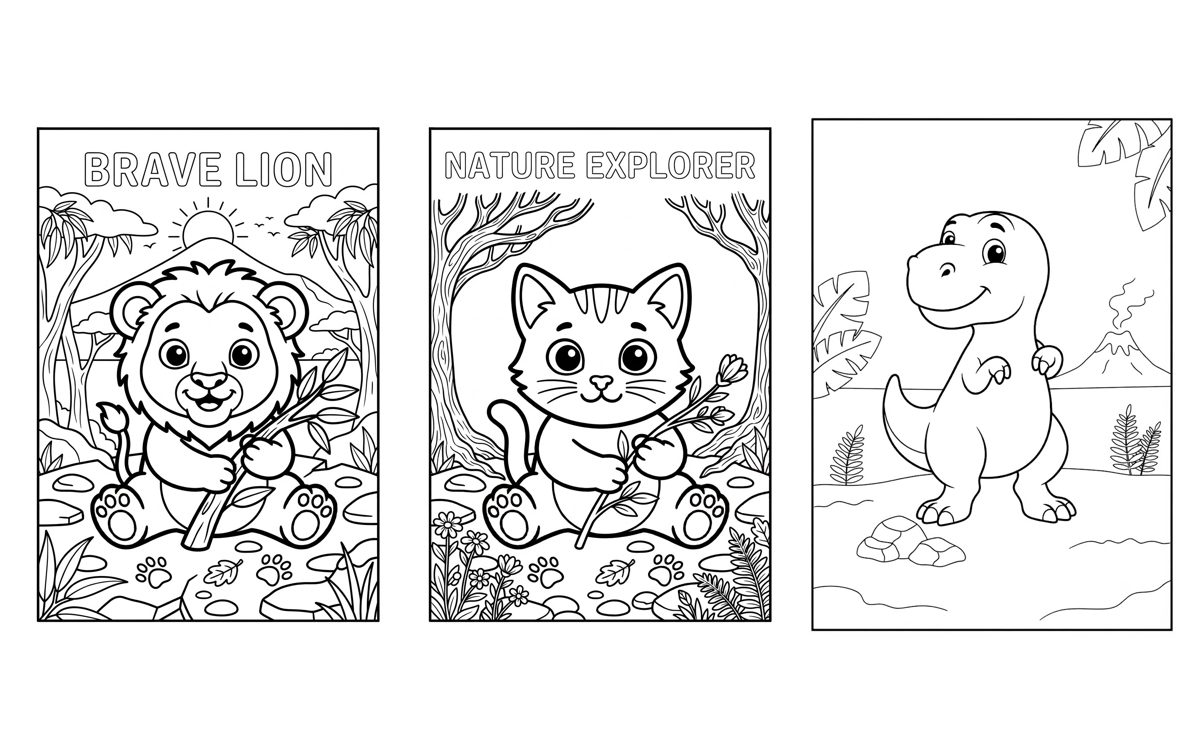
Hand a child a crayon and a printed page, and within a minute things get quiet. That calm is part of the appeal, but there is a lot more going on than a way to fill the time. Every coloring page is a small workout for hands, eyes and imagination. Here are eight skills kids practice while they color, and some easy ways to help them get even more out of each page.
1. Fine motor control
Holding a crayon, pressing with the right amount of force and moving it in small, controlled strokes uses the same little hand muscles kids will rely on for writing, buttoning a coat and using scissors. Younger children usually start with big scribbles using their whole arm, then gradually move to smaller, more precise movements as their hands get stronger and steadier.
2. Focus and patience
Finishing a picture takes a few minutes of sustained attention, which is a valuable thing to practice. A child who decides to color every petal on a flower, or every scale on a dragon, is learning to stay with a task from start to finish. Pages with a clear subject and bold outlines make it easier to keep going.
3. Hand-eye coordination
Looking at the edge of a shape while guiding a crayon along it connects what the eyes see with what the hand does. Trying to stay inside the lines, or deciding to color right over them on purpose, is constant, playful practice.
4. Color knowledge and decision-making
Which color for the sky? Should the lion be orange, or purple? Choosing colors teaches names and shades, and it gives kids dozens of tiny decisions to make. There is no wrong answer, which makes it a safe place to practice choosing and to live with the result.
5. Creativity and self-expression
A coloring page is a starting point, not a rulebook. Kids add backgrounds, invent patterns, give the dinosaur a rainbow tail or turn a space scene into a night at the beach. Letting them make those choices, even when the result looks unusual to adult eyes, encourages them to trust their own ideas.
6. A calm, screen-light moment
Many parents and teachers like coloring as a way to wind down after school, settle before bedtime or fill a quiet corner of the day. It is a gentle activity with no scores or time limits. Every child is different, but a few minutes of slow, absorbing work can be a nice change of pace in a busy day.
7. Pre-writing skills
Strokes like straight lines, curves and circles show up in both coloring and early letter formation. Coloring in different directions, filling shapes evenly and controlling the pencil near a boundary are all useful warm-ups. For more focused practice, our Pencil Control activity pages turn those same movements into winding paths and wavy lines.
8. Confidence from finishing something
A finished picture is something a child can hold up and say, "I made this." That feeling of completing something, and being proud of it, matters at every age. Hanging the page on the fridge or sending it to a grandparent makes it even bigger.
Good to know: every child develops at their own pace, and coloring is just one of many ways to build these skills. If you have questions about your child's development, a teacher or pediatrician is the best person to ask.
5 tips to get more out of every page
- Match the page to the age. Ages 3 to 4 usually enjoy large, simple shapes. Ages 5 to 7 can handle medium detail, and ages 8 to 10 often love intricate scenes with lots of small areas to fill.
- Talk about the picture. Ask what the animal is doing, where the rocket is headed or what the weather is like. A little conversation turns a page into a story.
- Offer a few colors, not the whole box. A smaller choice can make decisions easier, and it often leads to surprisingly bold color combinations.
- Celebrate effort, not perfection. Comments like "I love how you used so many blues" encourage kids more than "stay inside the lines."
- Mix coloring with other activities. Try a Trace & Color page, where kids first trace the dotted parts and then color, or a Complete the Drawing page, where they draw the missing half of a picture.
Try it with these printable pages
- Cute Animals coloring pages for gentle, friendly subjects
- Dinosaur World coloring pages for big shapes and lots of texture
- Space Adventure coloring pages for rockets, planets and imagination
- All coloring pages to browse every theme